
Menopause is generally recognised when there has been twelve months without a period due to the cessation of ovulation. Periods can stop for many other reasons though (health, pregnancy, hysterectomy), so it’s important to have regular blood tests and health checks that can monitor your overall health, including menopausal markers such as hormonal levels.
In Australia, most women reach menopause between 45 and 60 years old. Early menopause is considered to be between 40 and 44 years old, while premature menopause is when menopause is reached before 40 years old. Surgical menopause is the sudden, immediate onset of menopause that is caused when both ovaries are removed before the body has reached menopause naturally.
The symptoms of menopause are often the same, or similar to the symptoms of perimenopause. If you have reached menopause, you will not have periods. Any bleeding after menopause should be discussed with your doctor to investigate the cause.
For an overview of perimenopause, refer to my post Perimenopause – when does it start and what happens?
Menopausal symptoms include:
- Hot flushes – (aka hot flashes) These can happen anytime and vary in intensity.
- Brain fog.
- Night sweats – Some women find they sweat profusely at night, or while asleep.
- Sleep disturbances – Because when you need it most, it eludes you!
- Vaginal changes – The vagina can get drier and less elastic. This may affect sexual pleasure and libido.
- Bladder and urinary control – Urinary frequency and incontinence may become an issue.
- Loss of bone density – There is an increased risk of conditions such as osteoporosis around this time.
- Heart disease – There is an increased risk of heart disease due to changes in cholesterol levels occurs.
- Loss of libido – This can be caused by hormonal shifts, as well as fatigue, stress and other physical and psychological factors.
What can I do to help myself?
Like perimenopausal solutions, what works for you might not work for somebody else. Whatever you found helpful in perimenopause, will probably also help you in menopause. The following are suggestions to try.
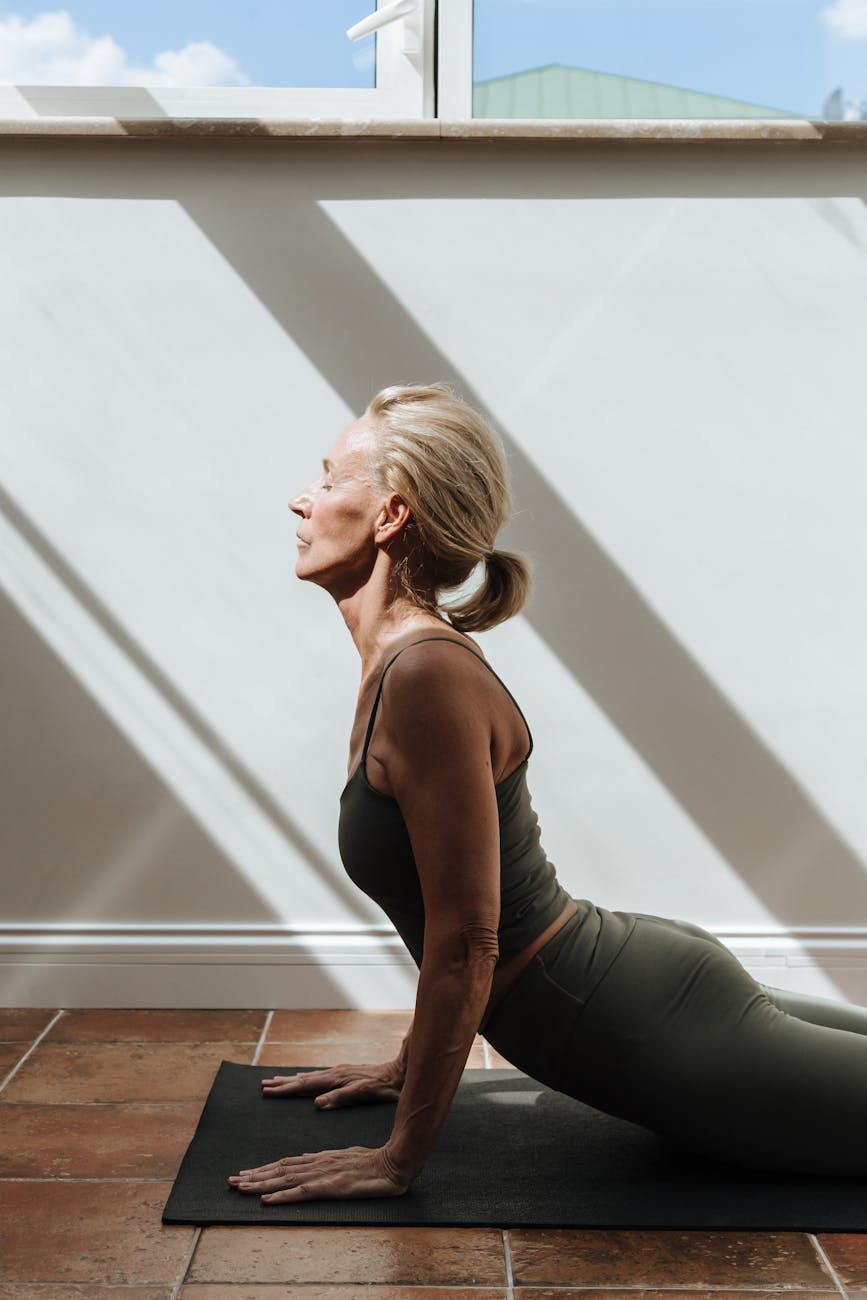
- Exercise – For most women, some form of exercise will help relieve uncomfortable symptoms. Balance is the key. Doing some degree of aerobic exercise (walking, cycling) and strength training (weights) as well as flexibility exercises (stretching) will help with heart health, sleep, joint pain and mental health. Yoga and Pilates are very popular. Exercise may also help with brain fog.
- A healthy diet – A well balanced diet that includes fresh fruit and vegetables and limits junk food, alcohol and caffeine improves symptoms. Supplements such as magnesium and collagen are also popular for specific complaints. Discuss your needs with your doctor.
- Dress with those hot flushes in mind. Layer up so you can strip them off when needed.
- Sleep – Try to get a solid eight hours. Limit alcohol and screens before bed. Invest in good ear plugs if your partner snores.
- Enjoyable social interaction – spend time doing something you love with like-minded people and release endorphins and improve mood.
What can the doctor do for me?
Hopefully your GP helped you through perimenopause and can also assist you as needed in menopause. A good GP will check blood and hormone levels and discuss treatment options with you if needed, including HRT (hormone replacement therapy), incontinence advice and referrals, and mental health support. If your doctor isn’t listening to you, or won’t take your concerns seriously, it’s time to find a new one.
Menopause can be a difficult time for some women and there is help out there.
In the City of Whitehorse, there are clinics that specifically deal with menopause issues, such as Uplift Women’s health Collective in Mitcham. A Google search for GPs that specialise in women’s health returned results at Forest Hill Family Clinic Blackburn Clinic and Box Hill Family Clinic
Are you going through menopause? What’s your experience been like so far? Let us know in the comments.
Stay well xx


Leave a Reply