
Perimenopause is often described as a transition time, when a woman’s body is preparing to stop having periods. It can begin as early as your 30s, or as late as your 50s and symptoms and experiences vary greatly. However, this definition, while suited to many, is not all encompassing.
For example, like me, if you’ve had a hysterectomy, although you’ve stopped having periods, other changes associated with perimenopause and menopause continue. Hormones don’t disappear along with your uterus. This definition is also not appropriate for those with biological or identity differences.
Recently, there’s been more research centred around perimenopause, although a lot more still to do. Importantly, the opinion that it’s something you need to just ‘put up with’ is no longer the norm. Sadly, women have unduly suffered due to inequality and gender bias in healthcare and if you consult a GP that dismisses your concerns, go see somebody else. You deserve to be taken seriously and you don’t have to suffer.
In perimenopause, you may experience,
- Irregular periods – Periods may be lighter and less often. On the flip side, heavy or flooding periods can occur. Other conditions may cause flooding periods too, such as endometriosis or adenomyosis, so if you’re experiencing this, it’s important to see a doctor.
- Hot flushes – (aka hot flashes) These can happen anytime and vary in intensity.
- Night sweats – Some women find they sweat profusely at night, or while asleep.
- Brain fog.
- Sleep disturbances – Because when you need it most, it eludes you!
- Vaginal changes – The vagina can get drier and less elastic. This may affect sexual pleasure and libido.
- Bladder and urinary control – Urinary frequency and incontinence may become an issue.
- Loss of bone density – There is an increased risk of conditions such as osteoporosis around this time.
- Fertility- Although your body is gearing up to stop having periods, there’s still a slight chance if you’re ovulating, and having unprotected sex, that you might get pregnant. Take necessary precautions.
- Heart disease – There is an increased risk of heart disease due to changes in cholesterol levels occurs.
- Loss of libido – This can be caused by hormonal shifts, as well as fatigue, stress and other physical and psychological factors.
What can I do to help myself?
What works for you might not work for somebody else, but the following list includes suggestions that have consistently shown to improve perimenopausal symptoms, and are good for your health regardless.
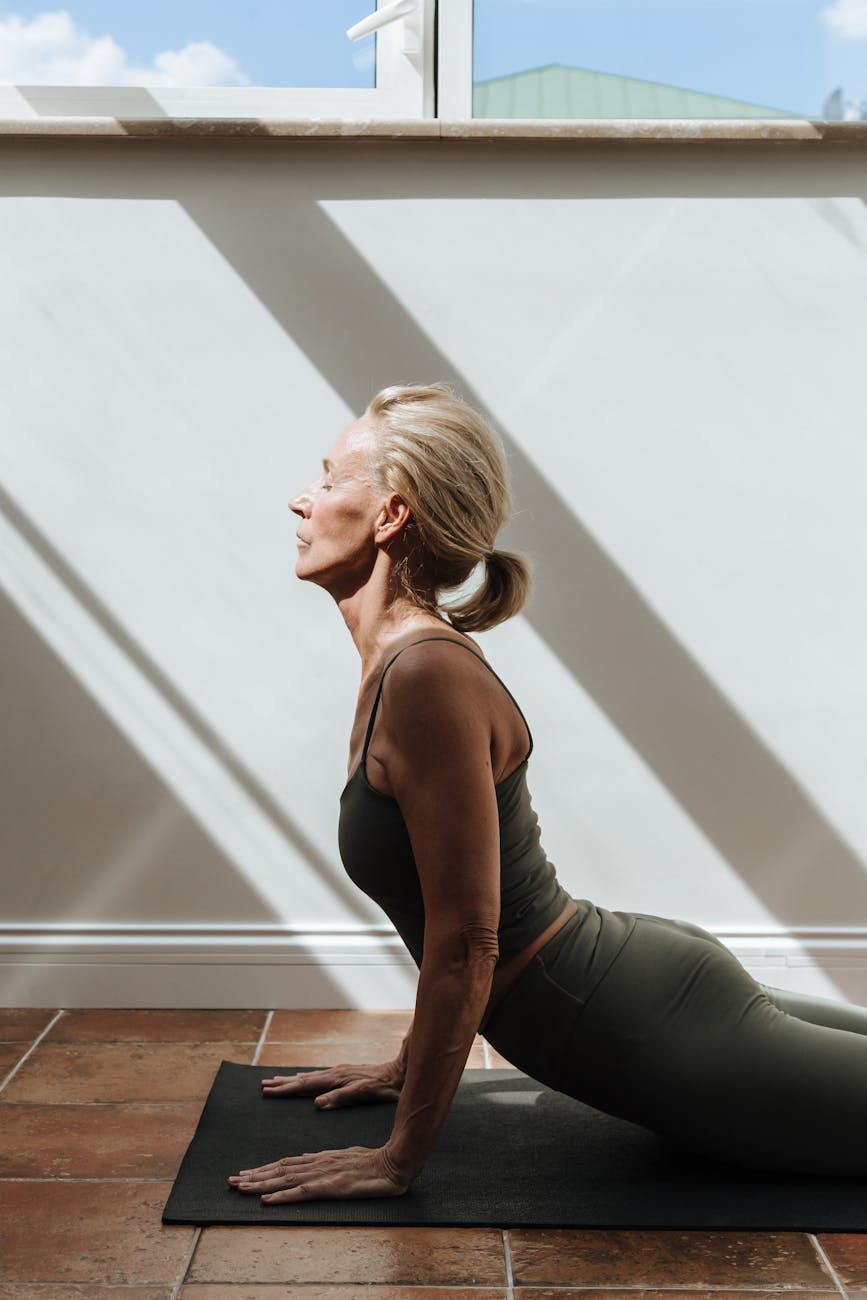
- Exercise – For most women, some form of exercise will help relieve uncomfortable symptoms. Balance is the key. Doing some degree of aerobic exercise (walking, cycling) and strength training (weights) as well as flexibility exercises (stretching) will help with heart health, sleep, joint pain and mental health. Yoga and Pilates are very popular.
- A healthy diet – A well balanced diet that includes fresh fruit and vegetables and limits junk food, alcohol and caffeine improve symptoms. Supplements such as magnesium and collagen are also popular for specific complaints. Discuss your needs with your doctor.
- Dress with those hot flushes in mind. Layer up so you can strip them off when needed.
- Sleep – Try to get a solid eight hours. Limit alcohol and screens before bed. Invest in good ear plugs if your partner snores.
- Enjoyable social interaction – spend time doing something you love with like-minded people and release endorphins and improve mood.
What can the doctor do for me?
A good GP will check blood and hormone levels and discuss treatment options with you if needed, including HRT (hormone replacement therapy), incontinence advice and referrals, and mental health support. Again, if your doctor won’t help you, it’s time to find a new one.
Perimenopause can be a difficult time for some women and there is help out there.
In the City of Whitehorse, there are clinics that specifically deal with perimenopause issues, such as Uplift Women’s health Collective in Mitcham. A Google search for GPs that specialise in women’s health returned results at Forest Hill Family Clinic Blackburn Clinic and Box Hill Family Clinic
Let us know what has worked/works for you in the comments.
Stay well xx


Leave a Reply